Constellations, are patterns of stars that are imagined to form shapes of identifiable objects, creatures or earthbound animals in the sky, they can appear near each other in the night sky, but they usually lie at a variety of distances away from earth. The word constellation comes from the late Latin term constellation, which can be translated as "set of stars". The International Astronomical Union formally recognizes 88 Constellations, many of which have names referring to mediological phenomena or streaming from mythological beliefs. In the past those names were believed to have originated in Ancient Greece, however examinations of Mesopotamian writings revealed that the majority of the Greek myths mirrored others from past civilizations and nations such as the Babylonians and the Assyrians.
Both astrologers and astronomers speak of the zodiac. Astrologers see it in the 12 “signs” listed in a horoscope they sit directly in the path of the 9 planets that orbit the sun. Astronomers would see these zodiac “signs” as being derived from the uneven cluster of the stars the real constellations in our night sky. In Astrology, each zodiac constellation is associated with a specific time of the year, known as a zodiac sign. These signs which are constellations of stars are used in astrology to predict personality traits, future events, and compatibility with others. These constellations are the same ones that contain the path of our sun (ecliptic) over the course of a year. In pre-modern times, most cultures did not make a clear distinction between the two disciplines, putting them both together as one, for instance in ancient Babylonia, both functions were performed by the same person.
Today, Astrology is still alive thanks to the efforts of several great historical astrologers from several eras who were able to maintain the practice of Astrology and shed the light on the several flavors of astrology.
A brief history of Astrology:
Traditional astrology was mainly practiced in the Hellenistic period 2nd CE around the Mediterranean area and Egypt, it was written in the Greek language after Alexander the Great's occupation of Alexandria in Egypt. The science of astronomy and astrology were practiced and registered by many astrologers at that time, to name a few:
Claudius Ptolemy, The master Vettius Valens, Dorotheus of Sidon, Hermes Trismegistus, Porphyry of Tyre and Paulus Alexandrinus.
The Medieval era brought a mixture of new nuances to astrology, the most prominent phase was during the Golden Age of the Abbasaid Islamic era in the 7th CE, which had flourished in alchemy, art, architecture, astrology, math, medicine, physics, music, poetry and science, it had extended until the Mogul invasions. Astronomers, astrologers, and scientists who were also known as religious scholars in that era had played a major role in translating astrological scriptures from the Greek books and had refined ancient astrology by evolving through their own findings. They had an active role as consultants for the leaders in that area, and had worked on documenting their own studies of astronomy, astrology and other inventions that were used by the west at a later stage. Some of the famous scholars are: Al-Battani, who developed what we know of today as Trigonometry by using math and new calculations of the nature of the solar system. Jabir Ibn Aflah, the inventor of the Torquetum, in addition to so many other profound scholars from: Queen Buran (Khadijah/Wife of Khaliefah Al Ma'mmon), Al Kinidi, Abu- Muasher, Al Biruni, Ibn Sina/Avicenna, and Guido Bonatii.
Later on, the Renaissance era had given brith to new astrologers picking on what was buried in Astrology after the fall of the Islamic era such as: Nicholas Culpeper, and William Lilly.
The revival of Astrology took a new turn in our Modern times elevating psychology as one of the main streams and inviting the framework of archetypes that had been presented by Carl Jung. Modern Astrology introduces self-discovery that is infused with experiential projections and esoteric astrology. Nonetheless, traditional astrology is still widely practiced in the west and the east. The Father of Modern Astrology Alan Leo had popularized astrology in the early 20th century along with Dane Rudhyar, Liz Greene and others that helped shape a new turn in Astrology by giving birth to new thoughts, and by introducing new schools of astrology that had invited a mixture of traditional and modern astrology to be revived with a broader variety of great astrologers who passionately compose astrological forecasts and overviews,
In the 21st century we can witness a great move in astrology with the continuous birth of new astrologers everyday. There are great prominent astrologers that I personally follow their astrological journeys and styles to name a few: Austin Coppock, Benjamin N. Dykes, Chris Brennan, Demetra George, Deborah Houlding, Freedom Cole, Geoffrey Cornelius, Jane Ridder-Patrick, Judith Hill, Nick Dagan Best, Richard Tarnas, Rick Levine, Robert Hand, Steven Forrest, Steve Juddas and so many more new evolving young astrologers!
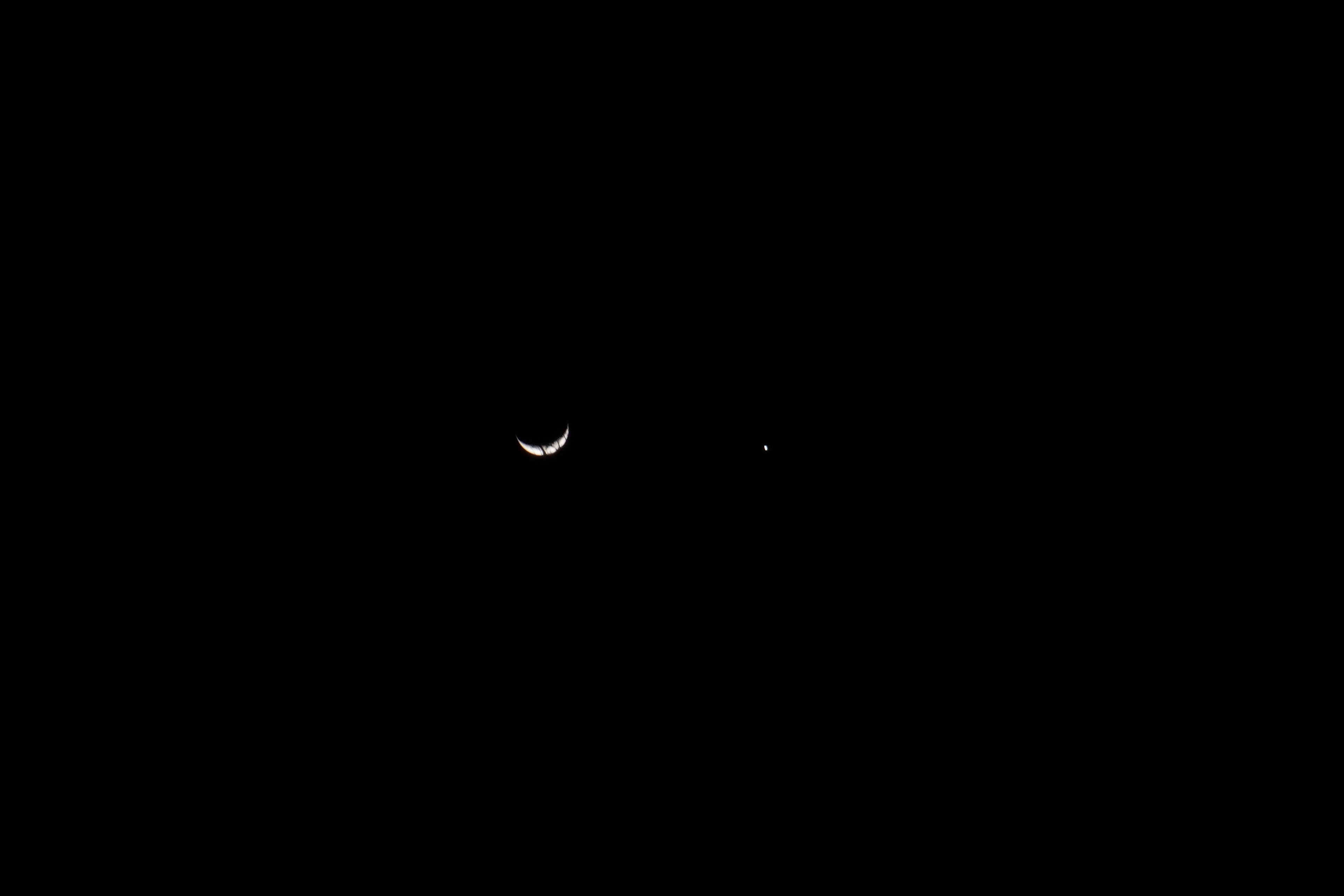
The Moon and Venus - Photography by: Manal Soudani
The path of the stars drives our energies into profound awareness, inviting deep consciousness and divine work that speaks the language of the sky, while the actions within the movement of the stars, the elements of the planets and the characteristics of the souls embrace the collective on planet earth.
With utmost gratitude to my Mesopotamian ancestors and my Middle Eastern roots, I am honored to continue my knowledge and education in learning about the energy and language of the stars and to offer my service to others on their wellness journey especially to those who are enlightened by the path of Astrology.
Part of my wellness offerings is developing a holistic Astrological report in correlation to the natal chart of my clients, this report is presented through a personal consultation that can be included in the holistic wellness package and in which I consider a blueprint map. The report captures the date, time, location of the native during birth in order to translate the constitutional wellness predisposition, strength, and weakness in alignment with the position of the signs, planets, the houses, and the aspects in the natal chart, along with an overview forecast correlated with other branches of astrology that my clients may require to include. The blueprint astrological map mainly includes horary astrology, herbal astrology, medical astrology and other forms of astrology that may add agency to the performance of the report of the blueprint map in alignment with the holistic needs and requirements of my clients.
My method covers a new intake on birthing an analysis based on the traditional Mesopotamian, Greek, Arabic and Vedic systems with a mix of modern astrology, the focus of my research invites a consultation foresight that may assist my clients on their holistic journey, and help them in identifying potential wellness issues.
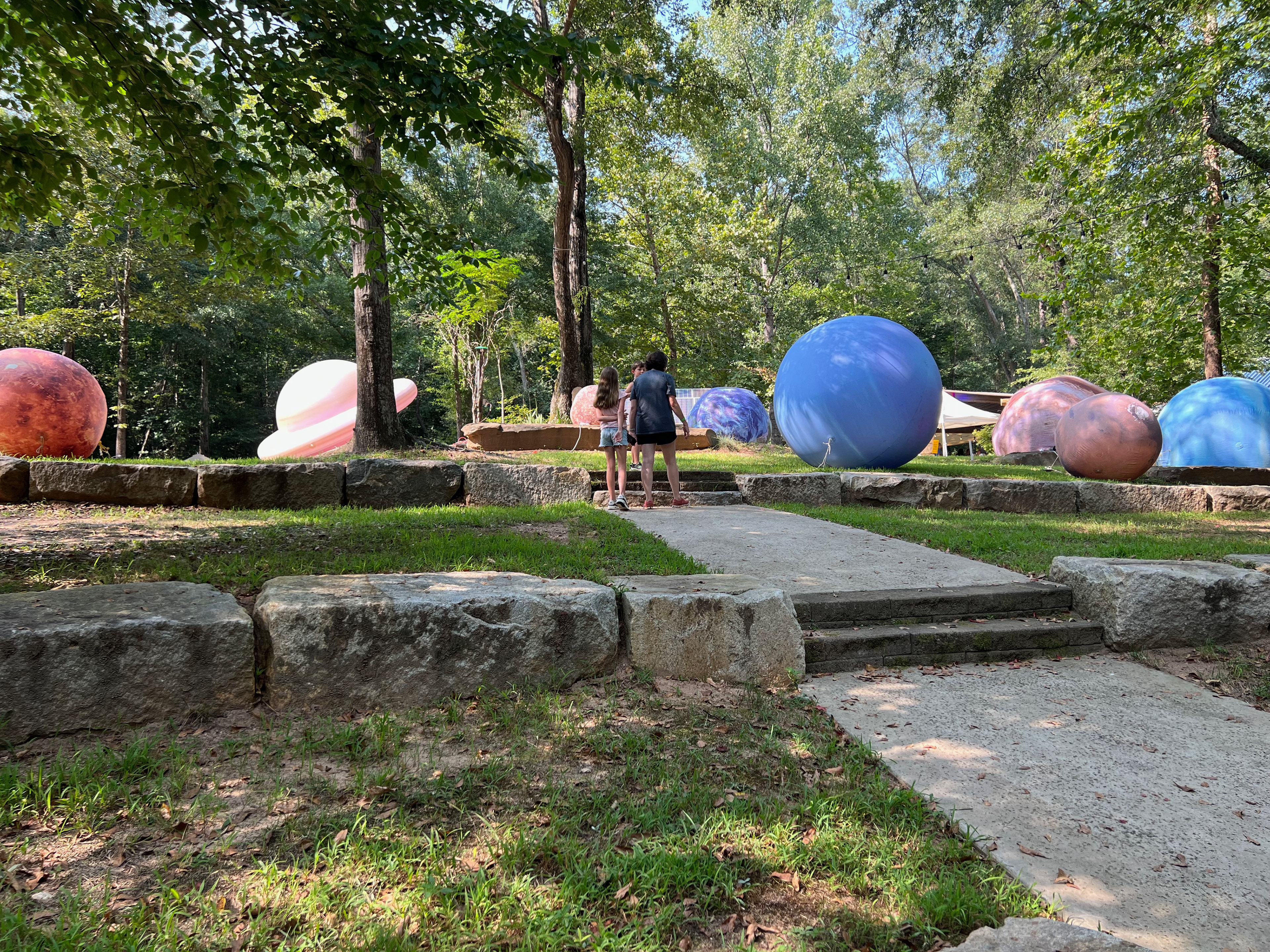
The Planets - Earth Module, USA
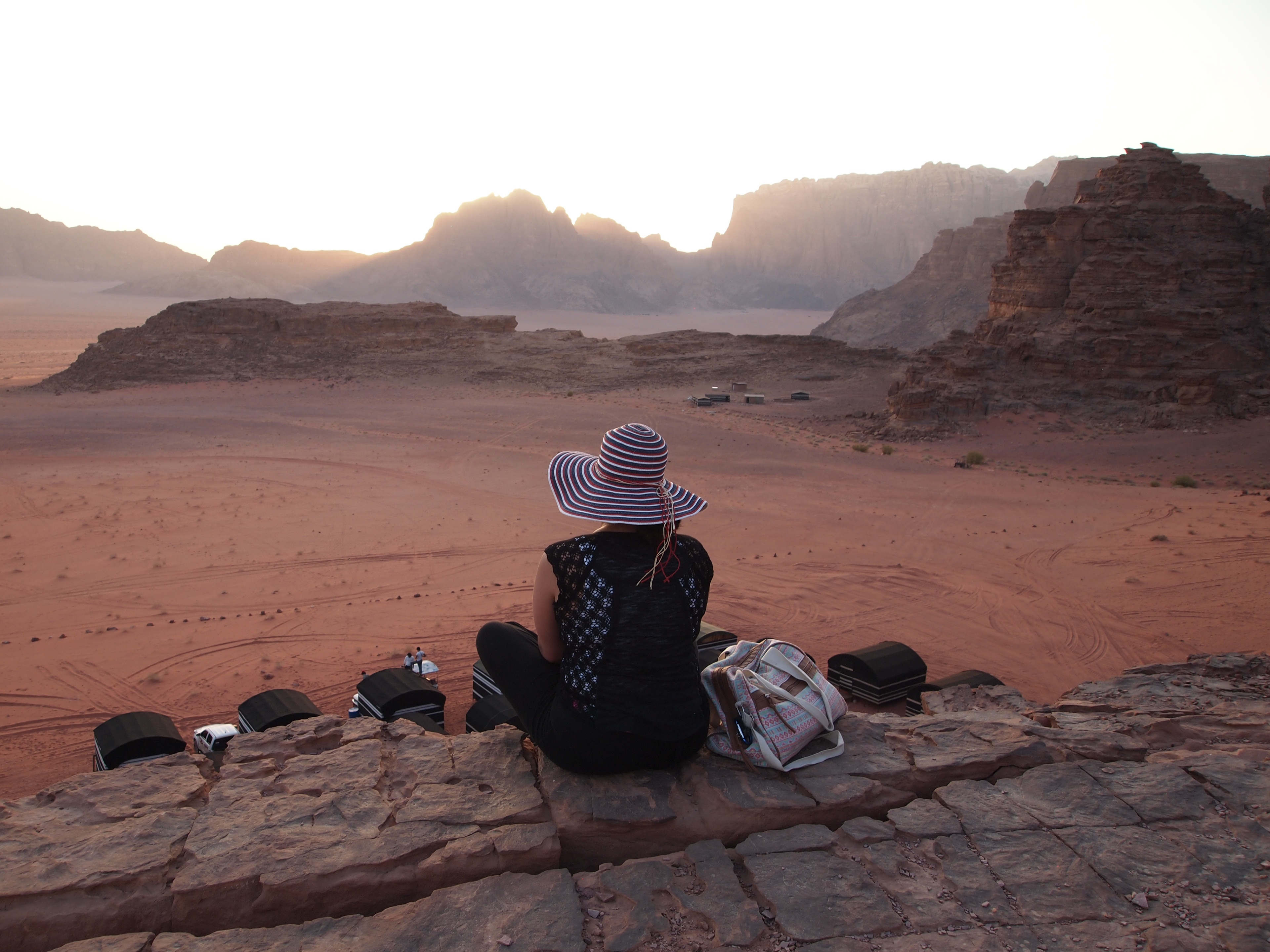
Planet Mars - Wadi Rum, Jordan